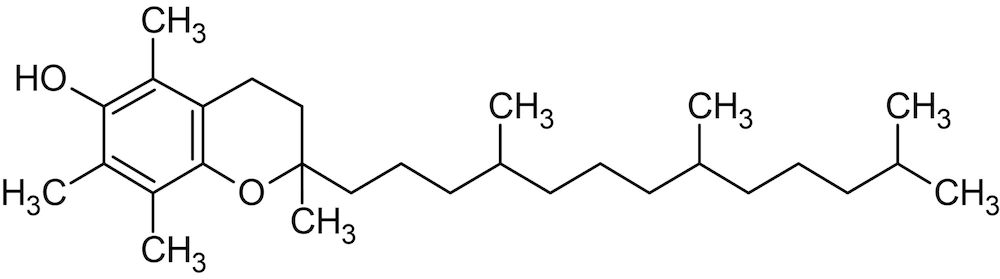
Vitamin E, or alpha-tocopherol, is a fat-soluble vitamin that acts as a powerful antioxidant to protect cells from free radical damage and is involved in immune function.
Unveiling the Multifaceted Health Benefits of Vitamin E
In today’s fast-paced world, where health often takes a back seat due to our demanding schedules, it’s crucial to not overlook the fundamentals of nutrition that empower our bodies to fight off diseases and aging. One such powerhouse, often overshadowed by its more popular counterparts, is Vitamin E. This post delves deep into the myriad health benefits of Vitamin E, backed by scientific research, presenting a compelling case for why it should be an indispensable part of your diet.
Scientific Evidence
Vitamin E, a fat-soluble antioxidant, plays a pivotal role in protecting cell membranes from oxidative damage. But its benefits extend far beyond just being a guardian of cells. Recent studies have highlighted its importance in enhancing immune function, promoting eye health, and possibly reducing the risk of heart disease. A groundbreaking study published in the “American Journal of Clinical Nutrition” in 2014 showcased how Vitamin E supplementation significantly improved immune responses in older adults, underscoring its potential to ward off infectious diseases.
In its role as an antioxidant, Vitamin E is a “one and done” antioxidant. What that means is that the Vitamin E molecule is used up when it neutralizes a free radical. However, Vitamin E is one of the few antioxidants that can be recycled. Once it is used up doing its job to neutralize a free radical, it could get flushed out of the system UNLESS there is an adequate amount of glutathione available in the cell. If so, the glutathione molecule can restore the Vitamin E to its antioxidant state. Low glutathione levels limit the ability of Vitamin E to do its job.
Diving deeper into its benefits, Vitamin E has shown promise in the realm of eye health. Age-related macular degeneration (AMD) is a leading cause of vision loss, and Vitamin E’s antioxidant properties have been associated with a lower risk of AMD progression. Furthermore, its role in cardiovascular health cannot be overstated. By preventing the oxidation of LDL cholesterol, often referred to as ‘bad’ cholesterol, Vitamin E might reduce the buildup of plaques in your arteries, thereby potentially lowering the risk of heart disease.
However, the wonders of Vitamin E don’t stop at just boosting your physical health. There’s emerging evidence suggesting its positive impact on skin health. Its antioxidant and anti-inflammatory properties are believed to aid in skin repair and protection against UV damage, making it a valuable nutrient for maintaining a youthful glow.
Conclusion
In conclusion, forgetting to include Vitamin E in your diet might mean missing out on a range of health benefits that could significantly improve your quality of life. Embracing foods rich in this vital nutrient, such as nuts, seeds, and green leafy vegetables, is a simple yet effective way to harness its protective powers. As we continue to unveil the multilayered benefits of Vitamin E through ongoing research, integrating this essential vitamin into our daily lives becomes not just beneficial but essential for holistic health. Let us prioritize our health by making informed choices about our nutrition, and remember, sometimes the most significant impacts come from the smallest adjustments in our lifestyle.