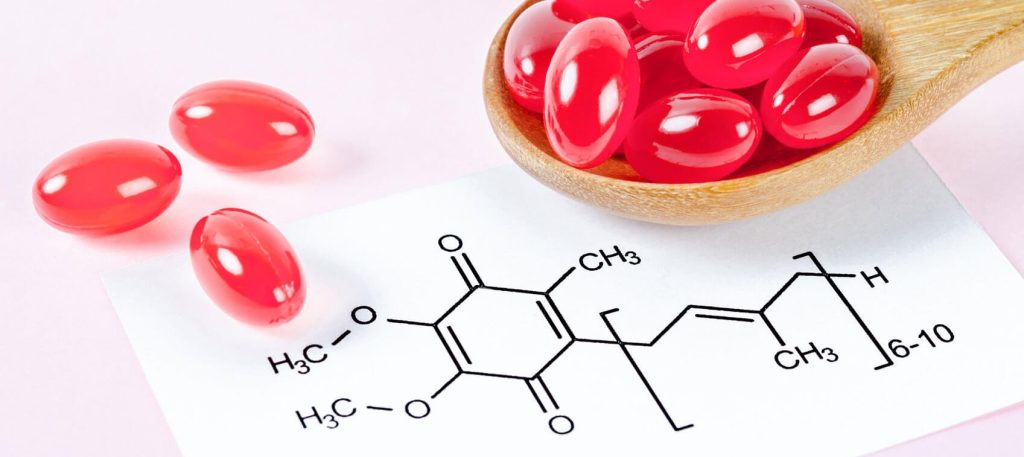
Co Enzyme Q 10 (CoQ10) is a powerful endogenous (made naturally in the body) antioxidant that resides in the mitochondria and is a component of the energy producing process of ATP. It helps to eliminate harmful free radicals produced during the ATP process.
Unlocking the Health Benefits of Coenzyme Q10 (CoQ10)
Coenzyme Q10, or CoQ10 for short, has recently emerged as a beacon of hope in the wellness and health community. Its impact on health is supported by rigorous research and scientific evidence, making it more than just a buzzword among health enthusiasts. Today, I will delve into the profound health benefits of this remarkable molecule, highlighting its potential based on peer-reviewed studies and adding a dash of insight to engage both your mind and curiosity.
Scientific Evidence
The first significant benefit of CoQ10 pertains to its role in boosting heart health. A study published in the “Journal of Cardiac Failure” (2013) demonstrated that patients with heart failure who took CoQ10 supplements experienced improved symptoms and reduced risk of dying from heart problems. CoQ10 works by improving energy production in cells, reducing oxidative damage, and enhancing the function of the heart muscle. Given the heart’s relentless workload, ensuring its cells have sufficient energy and protection from damage is crucial for long-term health.
Next, let’s talk about CoQ10’s contribution to managing and potentially preventing diabetes. According to research in the “European Journal of Clinical Nutrition” (2014), CoQ10 supplementation showed promise in regulating blood sugar levels. The study suggests that CoQ10 enhances insulin sensitivity and controls glycemic levels in the body. Given the rising tide of diabetes cases globally, this nutrient could play a pivotal role in a comprehensive approach to metabolic health, supporting traditional diabetes management and potentially serving as a preventive measure for those at risk.
Moreover, the anti-aging properties of CoQ10 cannot be overlooked. It is well documented that CoQ10 levels decrease with age, which can contribute to the aging process and the development of age-related disorders. A publication in “Biofactors” (2015) highlighted CoQ10’s capability to improve skin elasticity, reduce wrinkles, and protect the skin from photoaging caused by exposure to UV rays. By combating oxidative stress and supporting cellular energy, CoQ10 helps maintain the skin’s integrity, showcasing its vital role in anti-aging skincare regimens.
Conclusion
In conclusion, Coenzyme Q10 stands out as a multifaceted supplement with compelling benefits for heart health, diabetes management, and anti-aging. The evidence backing these claims is robust, underlining the importance of considering CoQ10 as part of a holistic approach to health and wellness. As we continue to explore and understand the intricacies of our bodies, substances like CoQ10 pave the way towards optimized health and longevity. Whether you are a healthcare professional, a wellness enthusiast, or someone looking to enhance your health regime, embracing the science behind CoQ10 could be a game-changer.