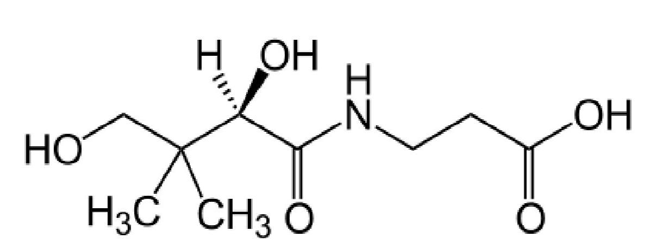
Pantothenic acid (Vitamin B5) helps the body use carbohydrates, proteins, and lipids.
Introducing the Benefits of Vitamin B5
In the bustling world of nutrition and wellness, a somewhat uncelebrated hero often goes unnoticed amidst the cacophony of dietary advice and superfood promotions. Pantothenic acid, more commonly known as Vitamin B5, isn’t typically the superstar on the nutritional red carpet. Yet, its quiet but essential role in our health deserves a standing ovation.
Scientific Evidence
First on the stage is pantothenic acid’s pivotal role in energy production. As part of coenzyme A, a critical molecule in biological reactions, Vitamin B5 is instrumental in converting food into glucose and synthesizing cholesterol, hormones, neurotransmitters, and hemoglobin. A study published in the “Journal of Nutritional Science and Vitaminology” (2010) revealed that supplementation with pantothenic acid significantly improves the energy levels in individuals, substantiating its nickname as the “anti-stress” vitamin. This research highlights the essential function of Vitamin B5 in not only fueling the body’s cellular mechanisms but also in supporting adrenal health and enhancing stamina.
Moving onto the spotlight is the contribution of pantothenic acid to skin health. The synthesis of coenzyme A is crucial for the generation and repair of skin cells. A landmark study featured in “Dermatology Therapy” (2014) illustrated that Vitamin B5 plays a vital role in healing wounds and managing skin conditions like acne and dermatitis. It serves as a moisturizer, promoting the growth of healthier skin layers and potentially offering a natural remedy to combat the signs of skin aging. By nurturing cell regeneration and hydration, pantothenic acid enfolds an understated power in maintaining our skin’s resilience against environmental stressors.
The third act unveils the cardiovascular benefits of pantothenic acid. Its proficiency in synthesizing cholesterol hints at its potential in managing cholesterol levels within the body. Although comprehensive studies are still forthcoming, preliminary research suggests that Vitamin B5 could aid in the reduction of bad cholesterol (LDL) while potentially increasing good cholesterol (HDL), thus fostering a healthier lipid profile. Such an attribute underscores the broader implications of pantothenic acid in cardiovascular health, hinting at its capacity to support heart health in conjunction with a balanced diet and lifestyle.
Conclusion
In conclusion, pantothenic acid, or Vitamin B5, might not dominate health headlines, but its multifaceted contributions to our well-being cast it as a vital character in the narrative of nutrition. From energizing our days to safeguarding our hearts and polishing our skin, the evidence – underscored by peer-reviewed studies – commends the inclusion of this nutrient in our dietary ensemble. Let’s give a round of applause to pantothenic acid: the unsung hero of the vitamin world, quietly orchestrating the symphony of our body’s health.